
2020

As part of the implementation of the project “Protecting the Biodiversity of Transboundary Areas of Ukraine and Poland from Invasive Hogweed (Heracleum)”, No. PLUA.01.03-IP.01-0008/23, a series of workshops was organised on the issue of Sosnowsky’s hogweed (Heracleum sosnowskyi) – an invasive plant species posing a serious threat to native biodiversity, the environment, and human health and safety.
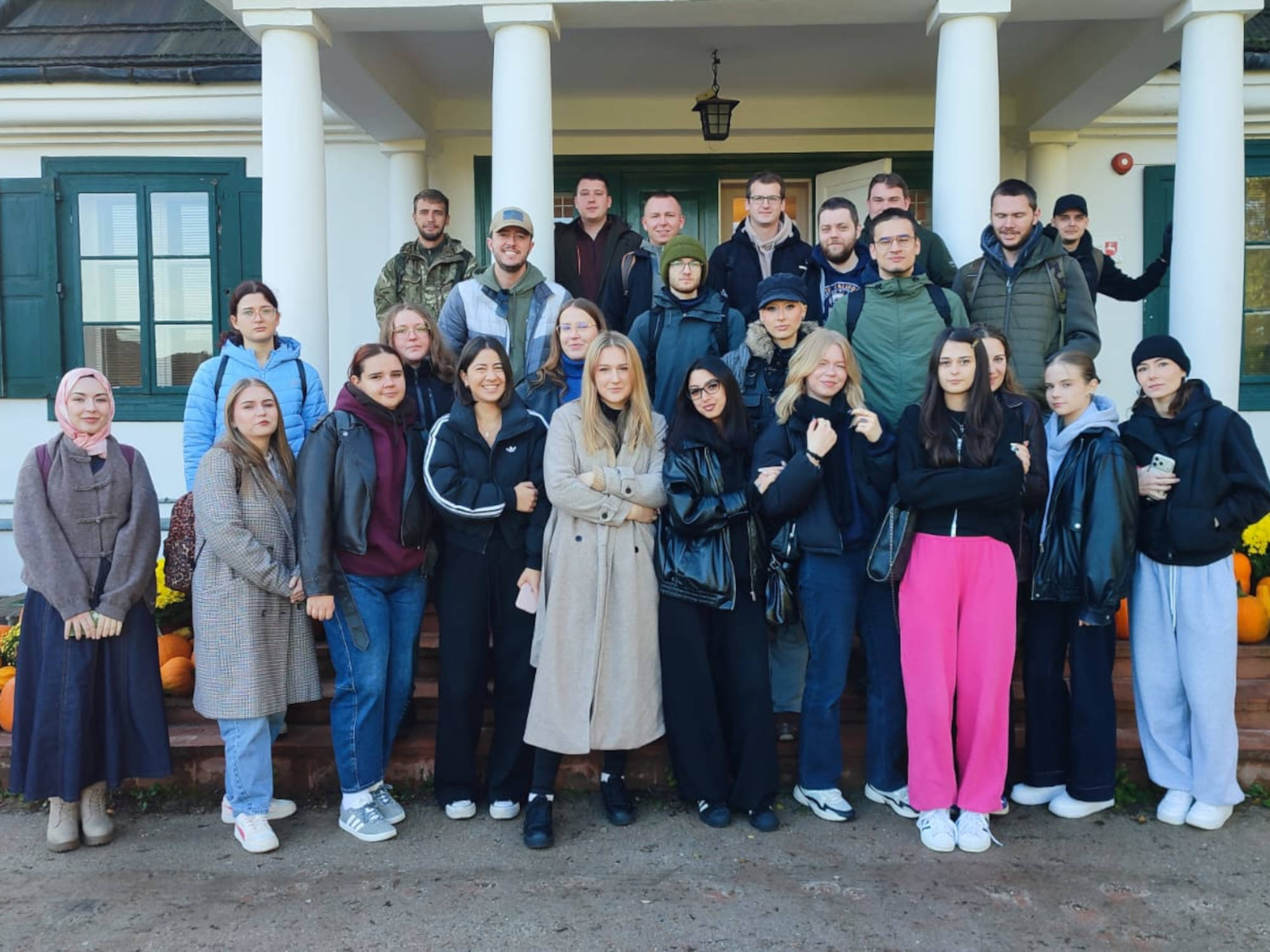
The workshops were organised in two rounds, with a total of 150 students taking part. The first round was held in June, and a report from those workshops is available here.
The second round took place on 9 and 23 October 2026. It was attended by students of the University of Life Sciences in Lublin from the following study programmes: Forestry, Biocosmetology, and Spatial Management. Two international participants also took part in the event: one student participating in the Erasmus+ programme and one participant in the Fulbright English Teaching Assistant Programme.
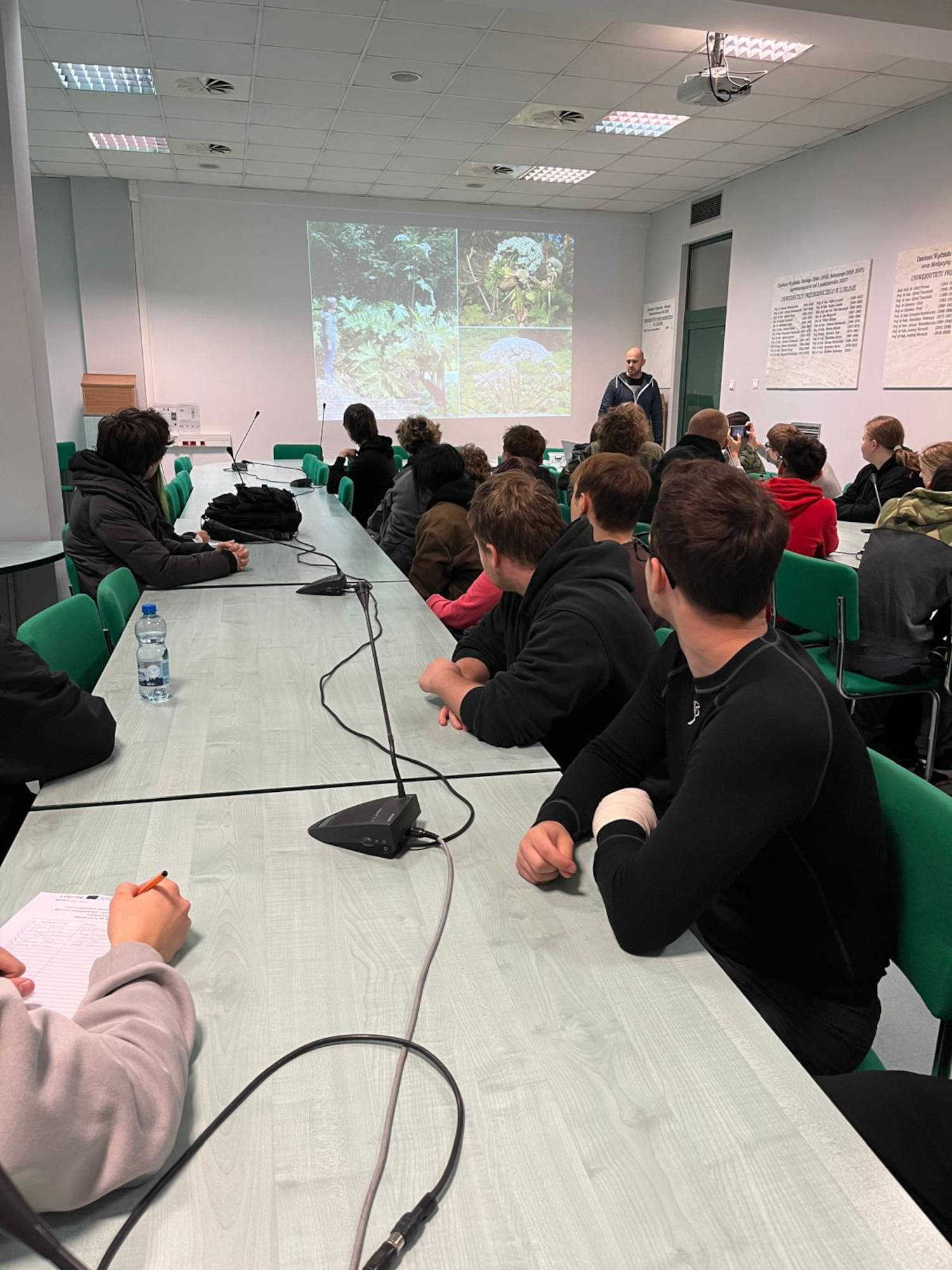
The workshop programme consisted of both theoretical and practical sessions. During the lectures, topics related to biodiversity, invasive species, the biology and identification of Sosnowsky’s hogweed, and the threats resulting from its presence in the environment were discussed. Particular attention was paid to the principles of safe behaviour in the vicinity of the plant, procedures to be followed in the event of contact with it, as well as methods of documenting and reporting its locations.
Participants were also introduced to the BarszczAlert WebGIS application. The application was developed as part of the project and enables crowdsourced mapping of Sosnowsky’s hogweed locations. Using mobile devices and computers, users can report places where the plant occurs, thereby supporting data collection and monitoring the spread of the species.
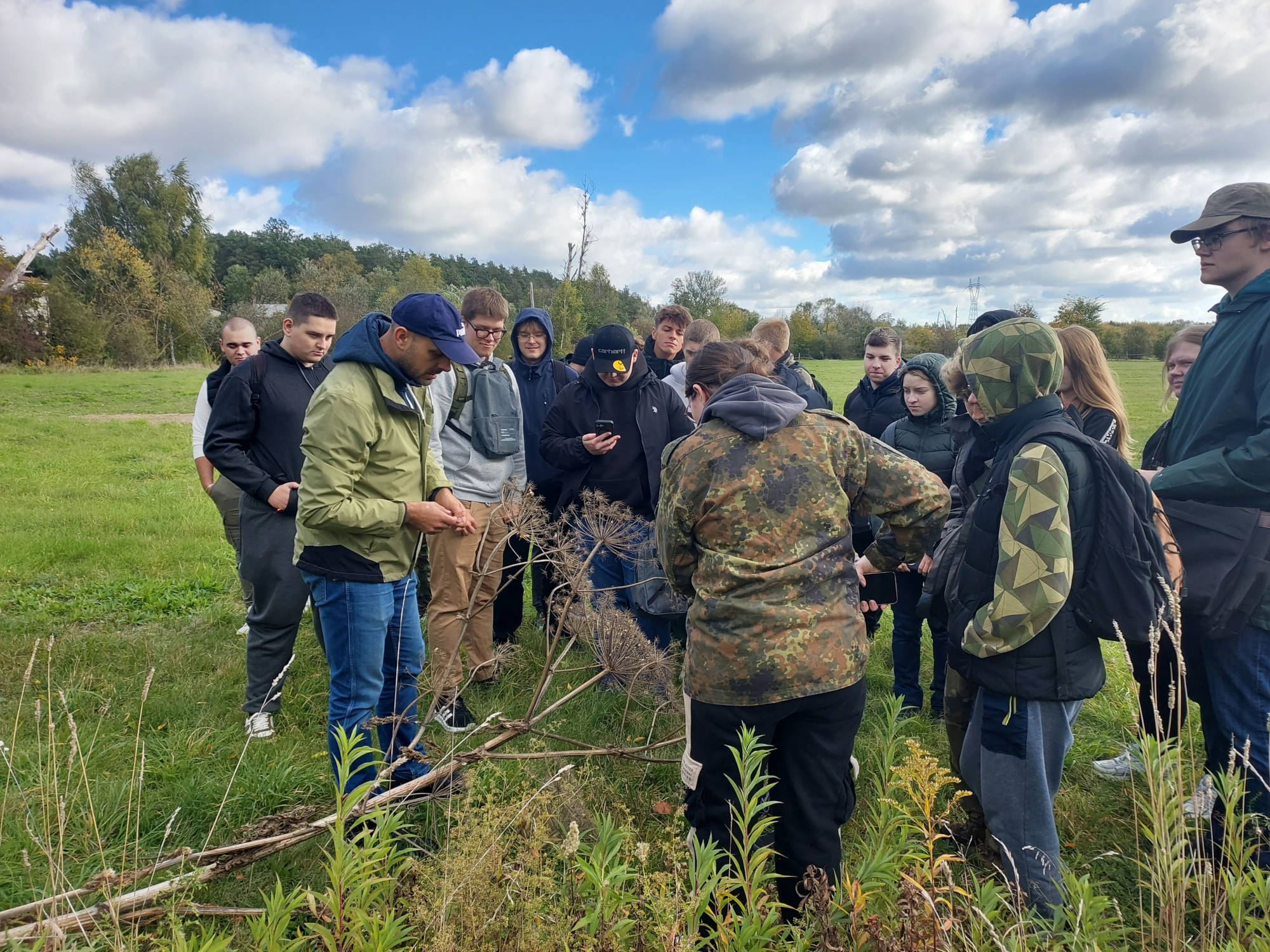
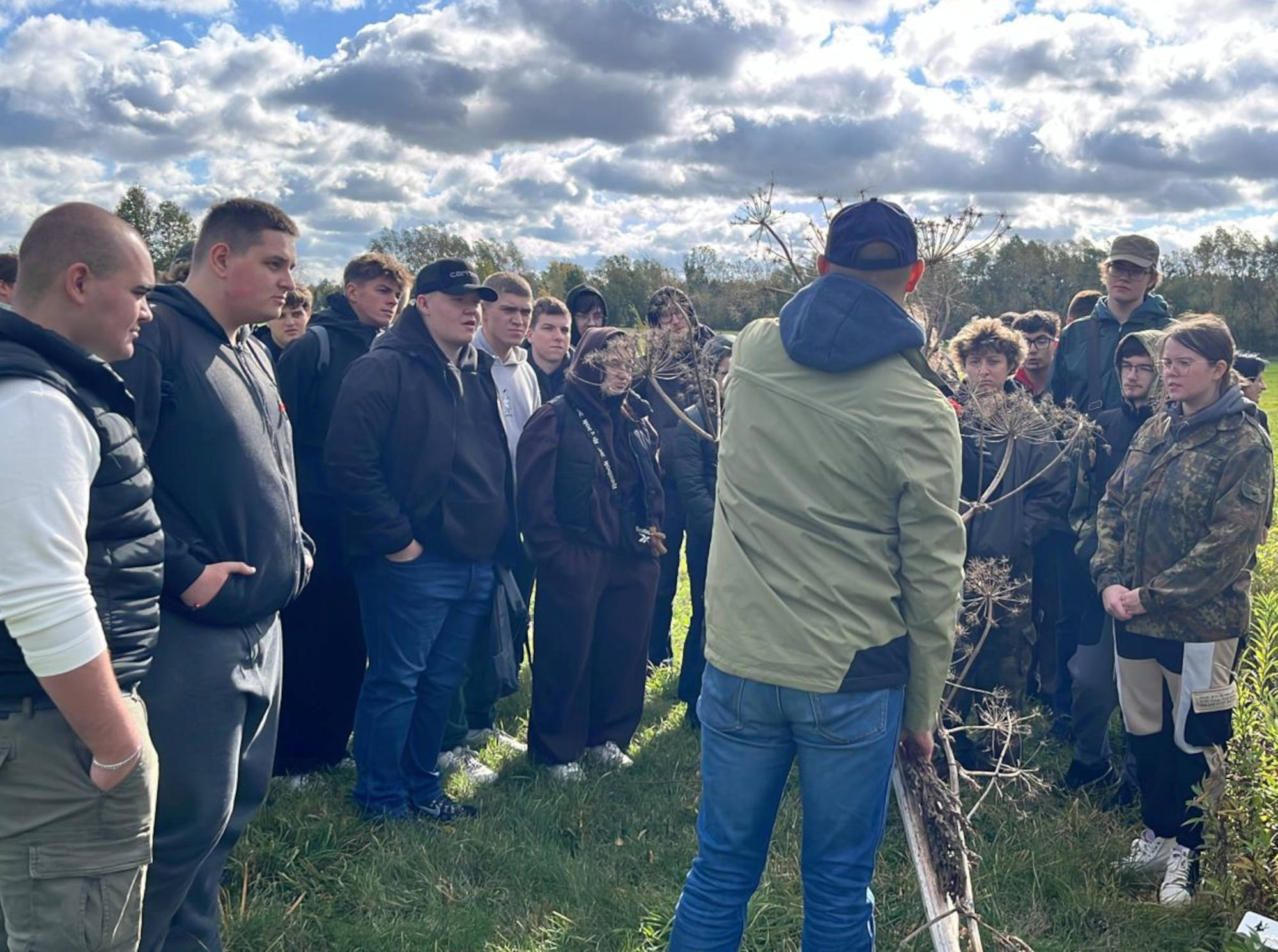
The practical part of the second round of workshops took place in Końskowola. Students had the opportunity to observe Sosnowsky’s hogweed in the field, learn the characteristics that enable its correct identification, and become familiar with methods for controlling and reducing its occurrence. An important element of the practical sessions was also the discussion of work safety principles, as well as practical exercises in documenting and reporting locations using digital tools.
The workshops concluded with a summary of the knowledge gained and a discussion during which participants were able to exchange experiences, observations and insights.
Participants received educational materials and sets of promotional items featuring the project logo, and at the end of the workshops they were awarded certificates confirming their participation. As part of the event organisation, all-day catering was also provided, including snacks and lunch in “Gospoda pod Różą” restaurant.
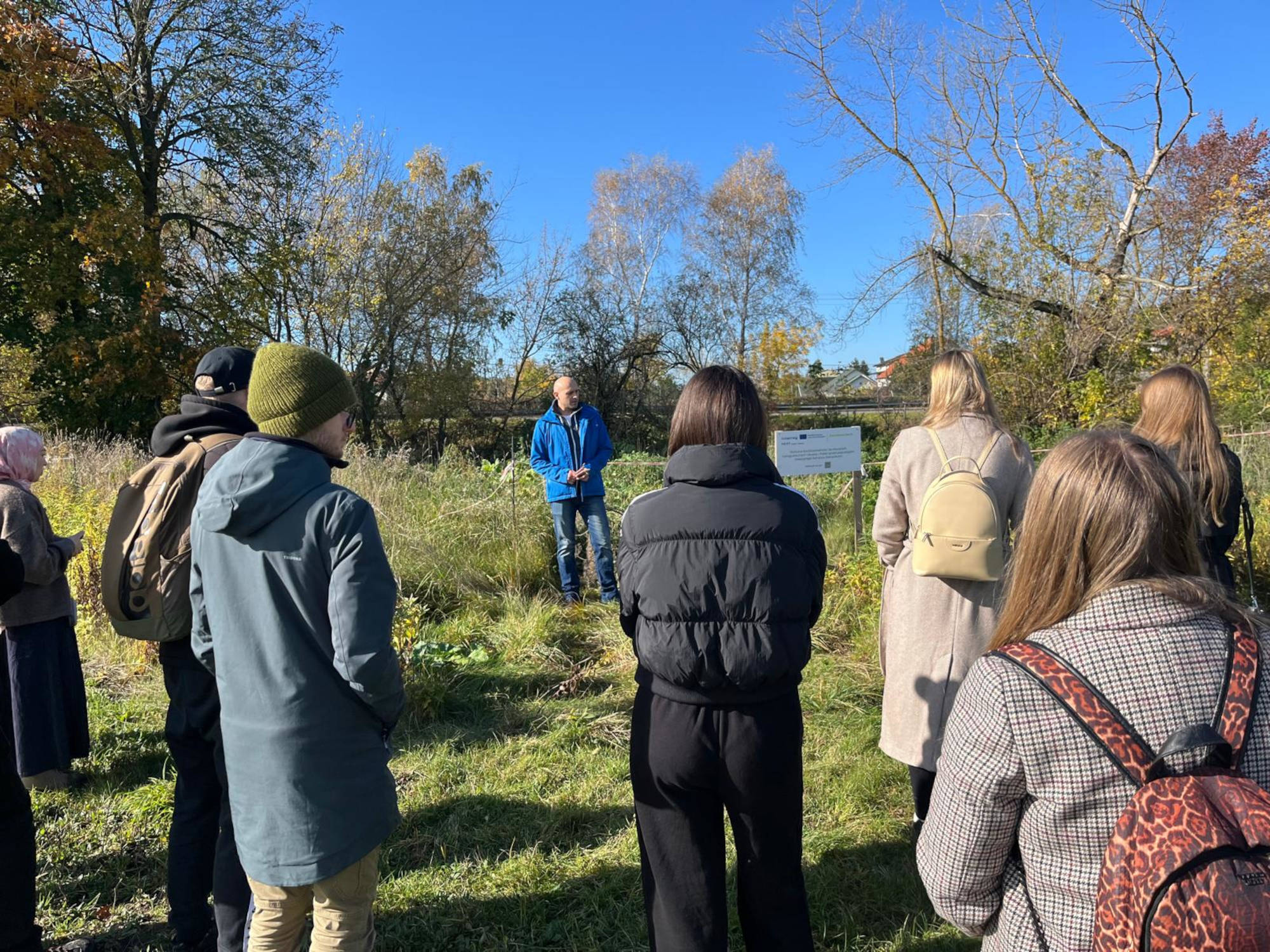
The workshops combined theoretical knowledge with practical learning about the problem of Sosnowsky’s hogweed invasion. The activities contributed to increasing participants’ awareness of the threats associated with this species, the principles of safe behaviour, and the importance of monitoring and promptly reporting new locations.


13 Akademicka Street, 20-950 Lublin
VATIN 712 010 37 75
REGON no. 000001896
ePUAP: /UP-Lublin/SkrytkaESP
