
2020

As part of the project “Zero Heracleum – Protecting the Biodiversity of Transboundary Areas of Ukraine and Poland from Invasive Hogweed (Heracleum)” (PLUA.01.03-IP.01-0008/23), a series of workshops were organized on the issue of Sosnowsky’s Hogweed (Heracleum sosnowskyi Manden) – one of the most invasive plant species posing a threat to native biodiversity and human safety.
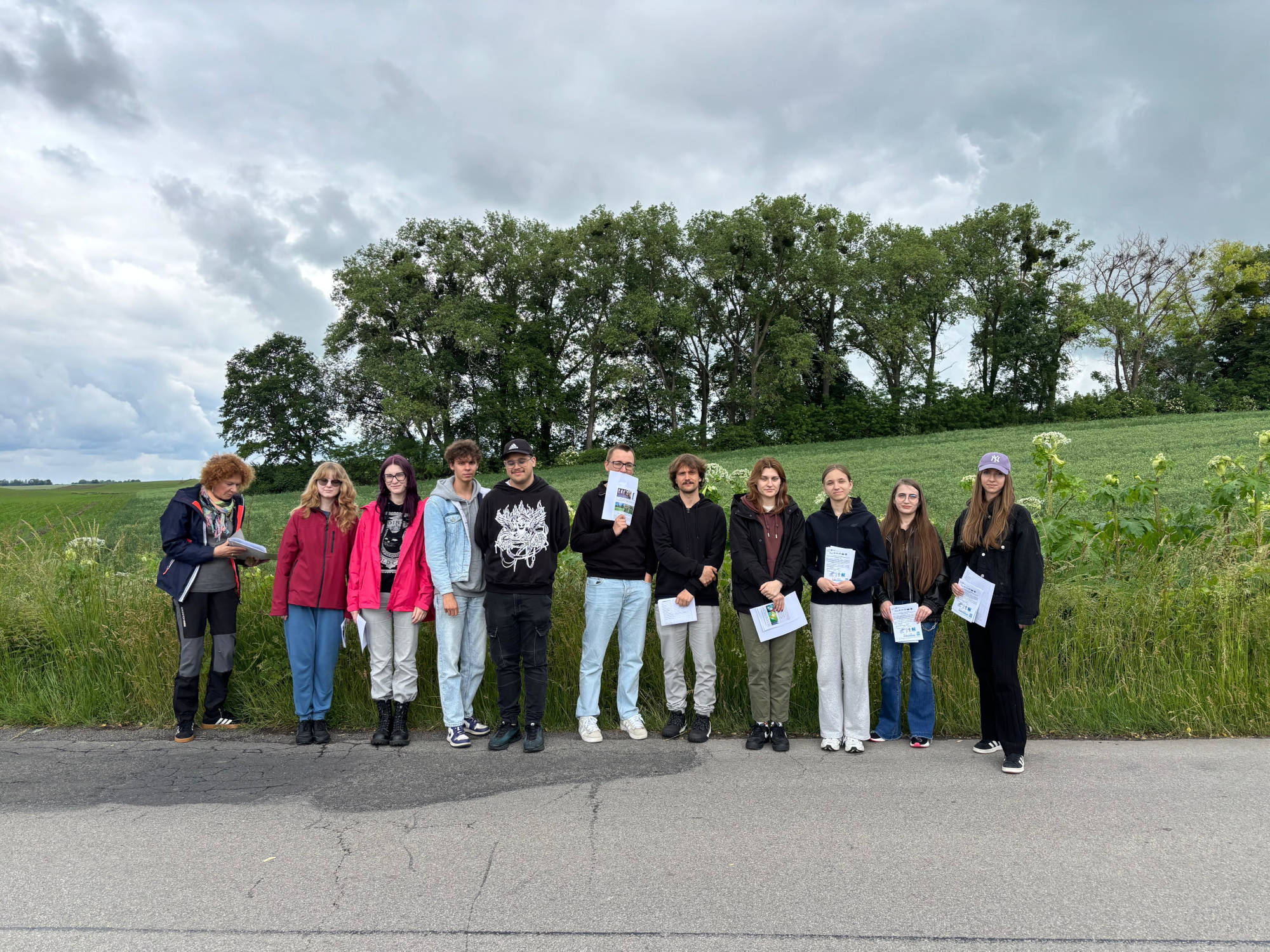
Students from the University of Life Sciences in Lublin and Maria Curie-Skłodowska University in Lublin participated in the workshops, gaining practical knowledge and experience during fieldwork conducted by specialists involved in the project.
The University of Life Sciences in Lublin was represented by first-year, first-cycle students of full-time forestry studies. The workshops took place on June 28, 2026, and were conducted in two groups.
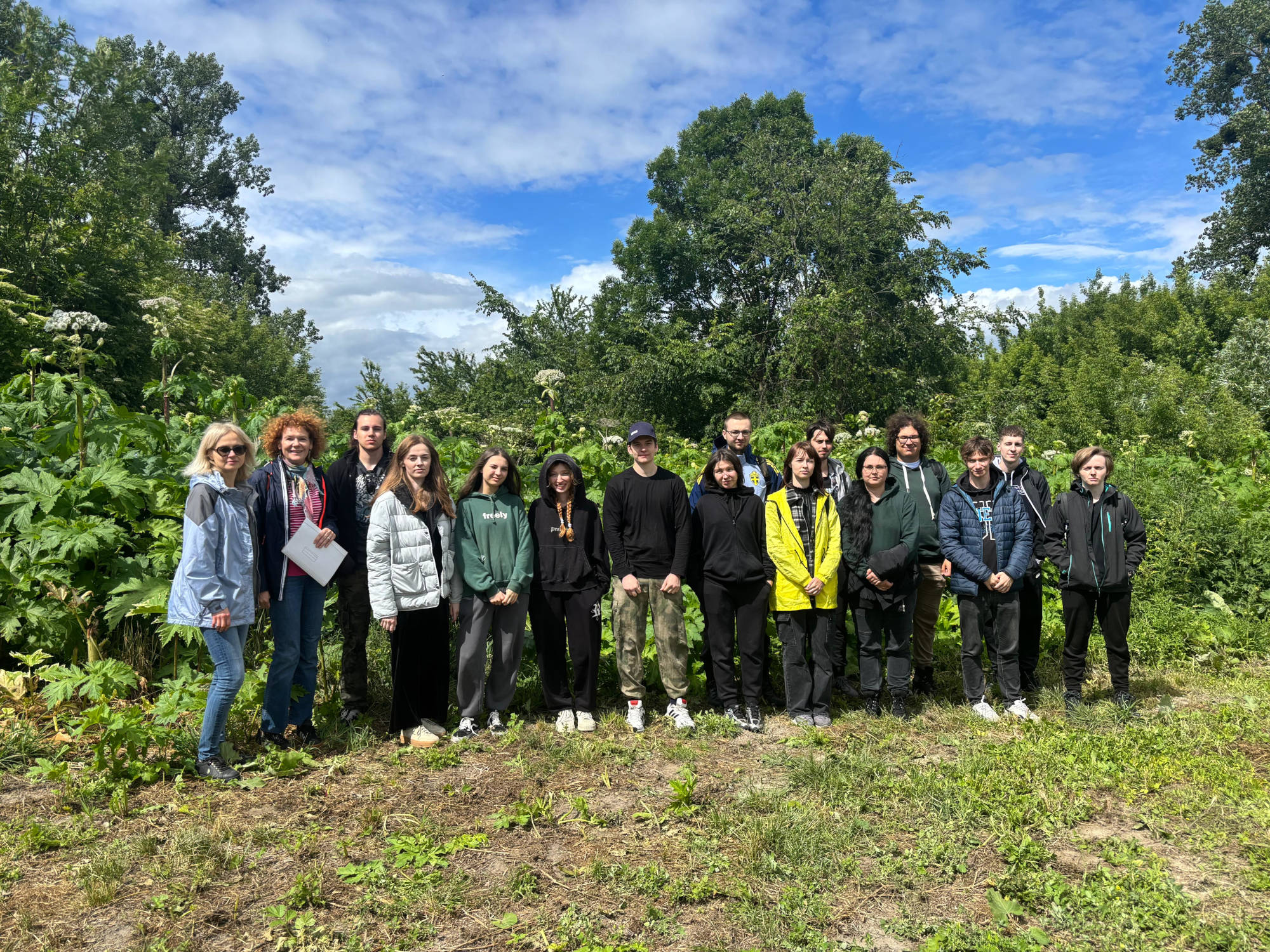
Students of Maria Curie-Skłodowska University in Lublin participated in the workshops on the following dates:
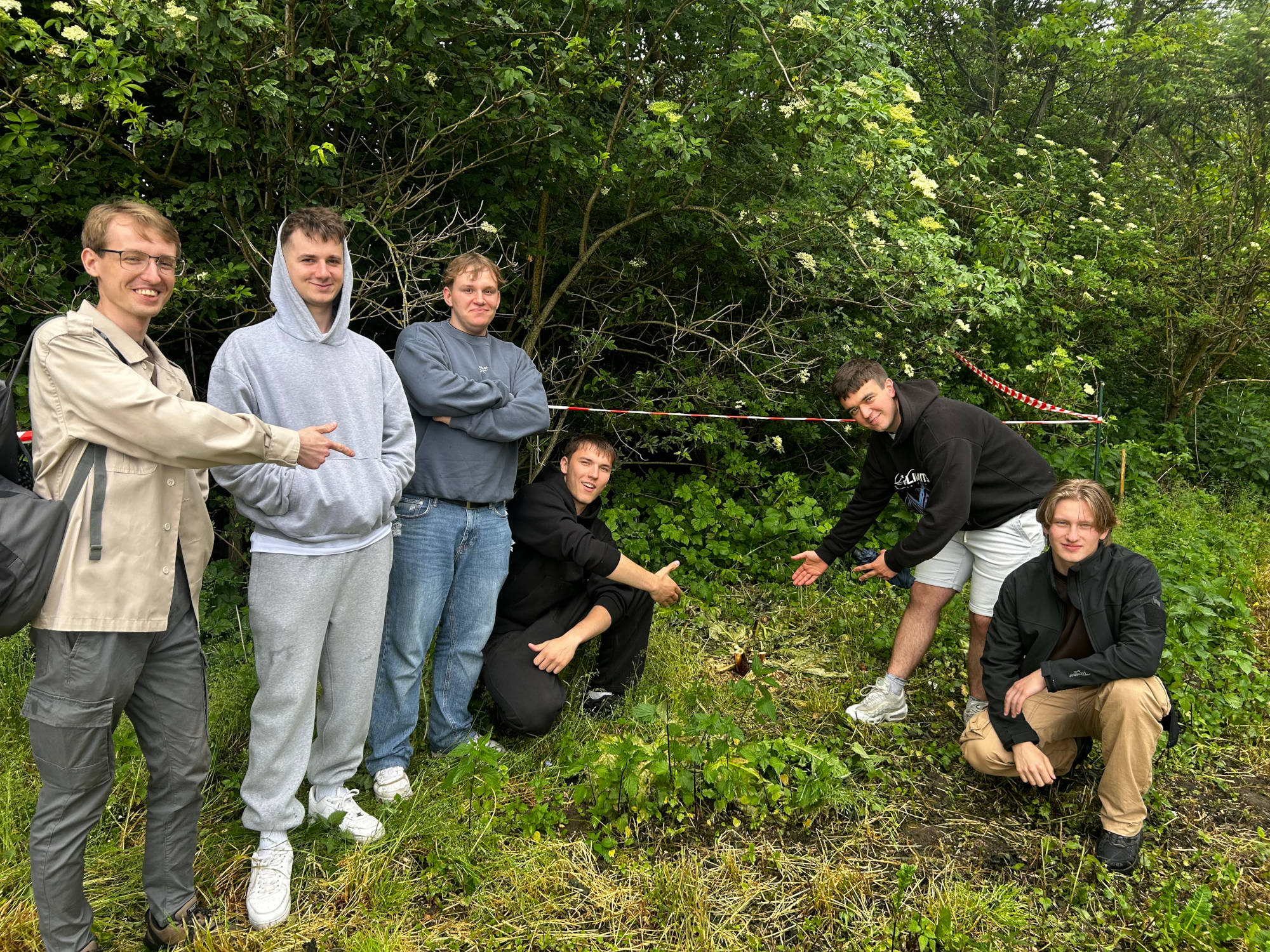
The workshop program included theoretical and field sessions. During the lectures, topics related to biodiversity, invasive species, methods for identifying Sosnowsky’s hogweed, and threats resulting from its presence in the environment were discussed. Particular attention was paid to the principles of safe contact with Sosnowsky’s hogweed and procedures for reporting sites using digital tools developed as part of the project. Participants learned about the WebGIS BarszczAlert application, which enables social mapping and reporting of Sosnowsky’s hogweed sites from mobile devices and computers.
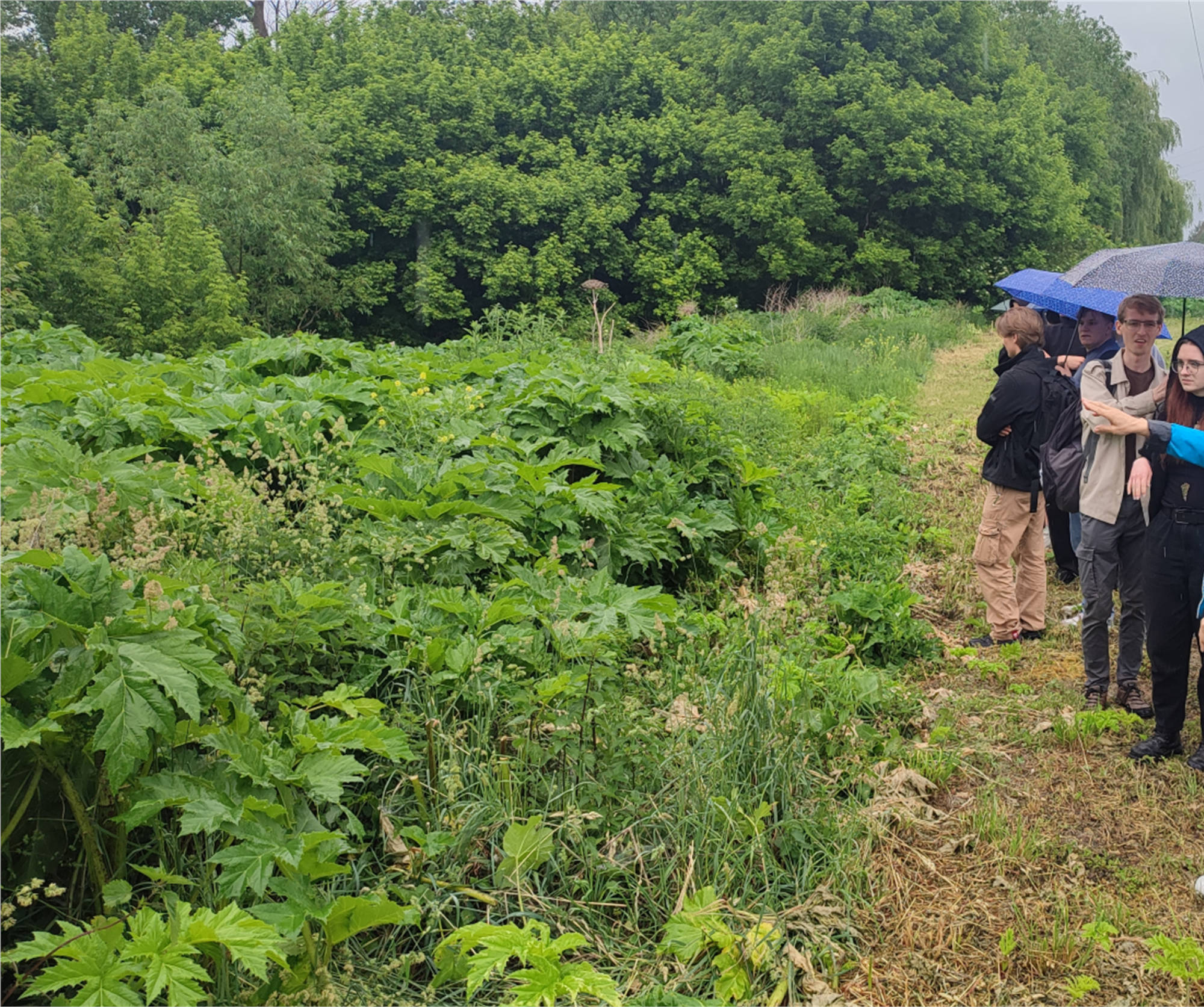
The practical part of the workshop took place in the Werbkowice commune. Participants had the opportunity to observe Sosnowsky’s hogweed habitats, learn about methods of controlling it, and analyze the effects of ongoing mitigation efforts. Health and safety regulations, as well as documenting and reporting on habitats using digital tools, were key elements of the workshop.
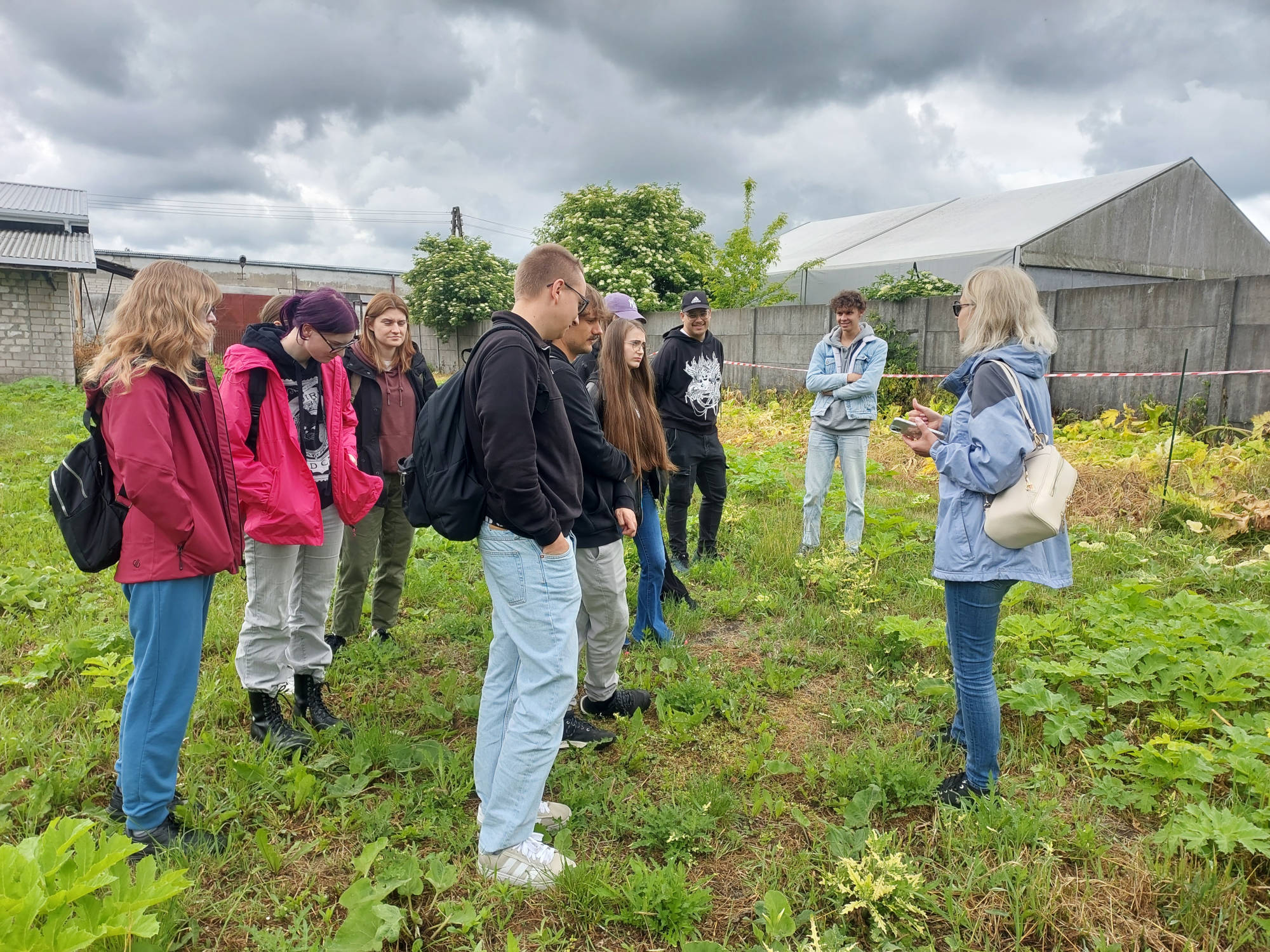
The workshop concluded with a summary of the knowledge gained and a discussion during which participants could exchange experiences and observations.
During the lectures, participants received teaching materials and promotional merchandise sets with the project logo. At the conclusion of the workshop, certificates confirming participation were awarded.
As part of the event, participants were also provided with all-day catering, including a morning snack and lunch. The meals supported the intensive fieldwork, allowing participants to recharge and comfortably participate in the workshop program.


13 Akademicka Street, 20-950 Lublin
VATIN 712 010 37 75
REGON no. 000001896
ePUAP: /UP-Lublin/SkrytkaESP