
2020

In four locations – two in the Końskowola commune and two in the Werbkowice commune – research is underway to control Sosnowsky’s hogweed effectively. This invasive and dangerous plant is being sought, so methods that are both effective and environmentally safe are being sought.
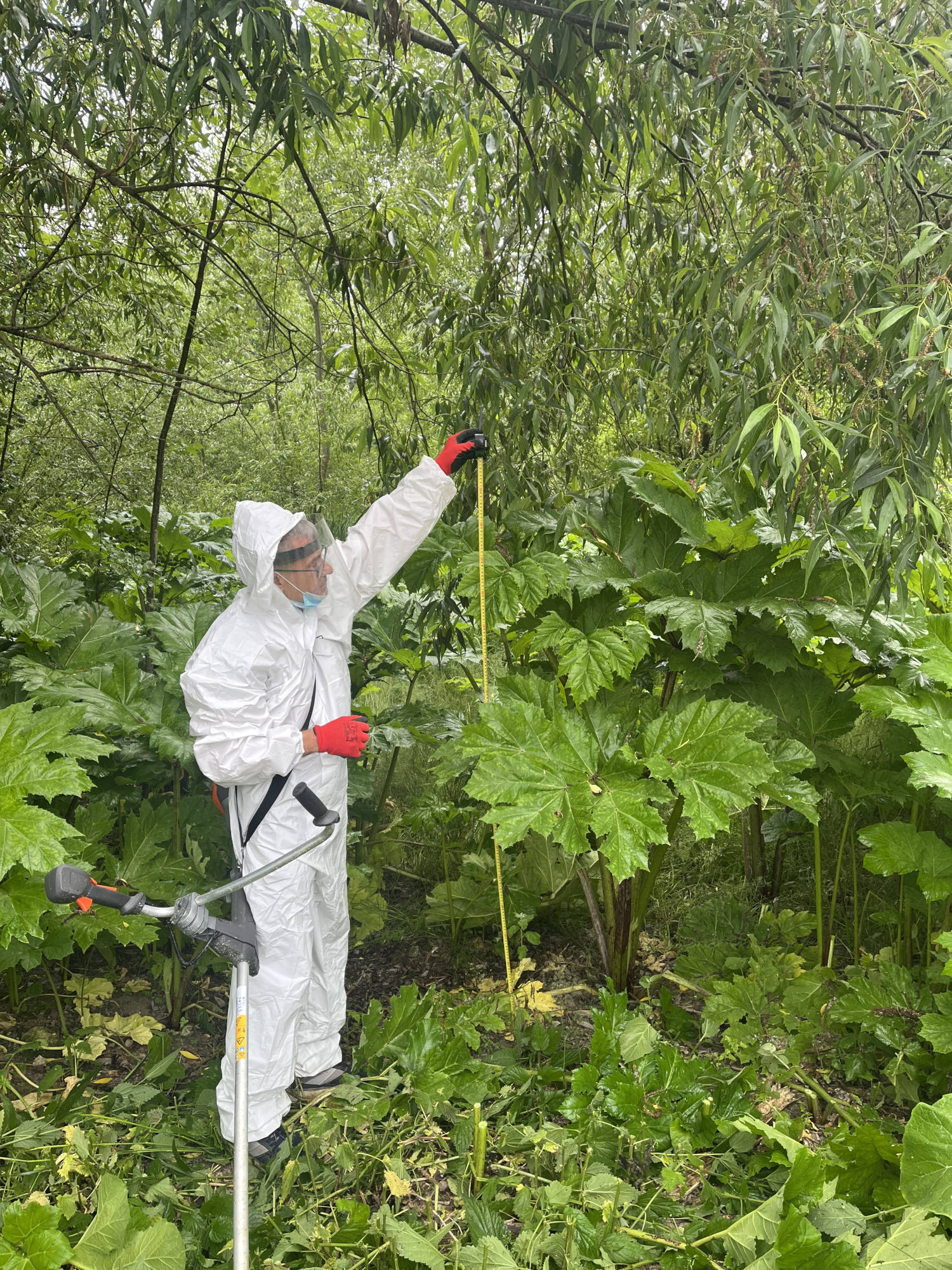
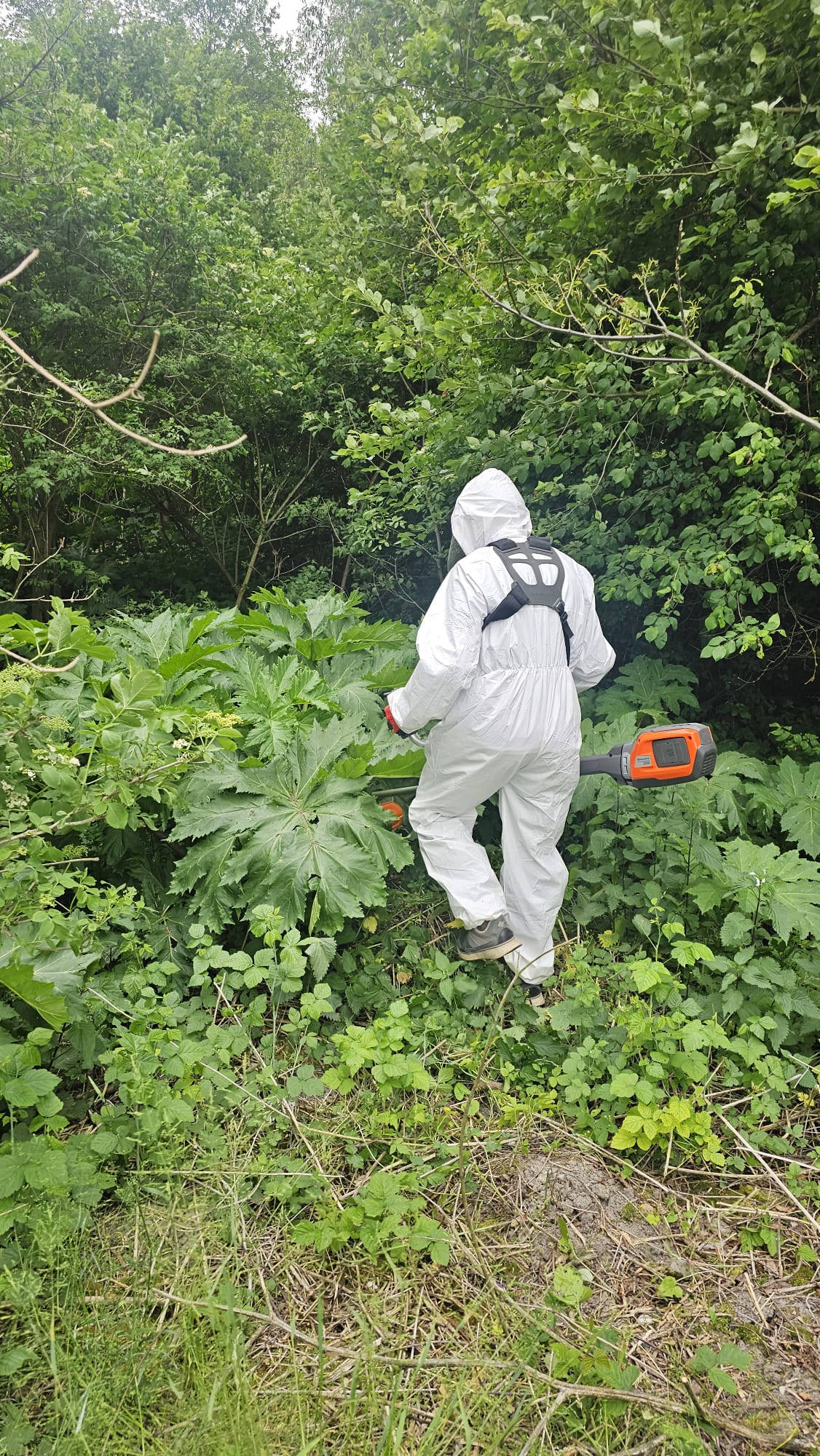
The experiments are testing two methods for reducing its occurrence. The first involves mechanically removing the above-ground parts of the plant, followed by applying three herbicide mixtures directly to the root collar or stem. If necessary, additional spraying of young, regrowing plants will be performed. After treatment, soil samples will be taken to ensure no harmful residues are left in the environment.
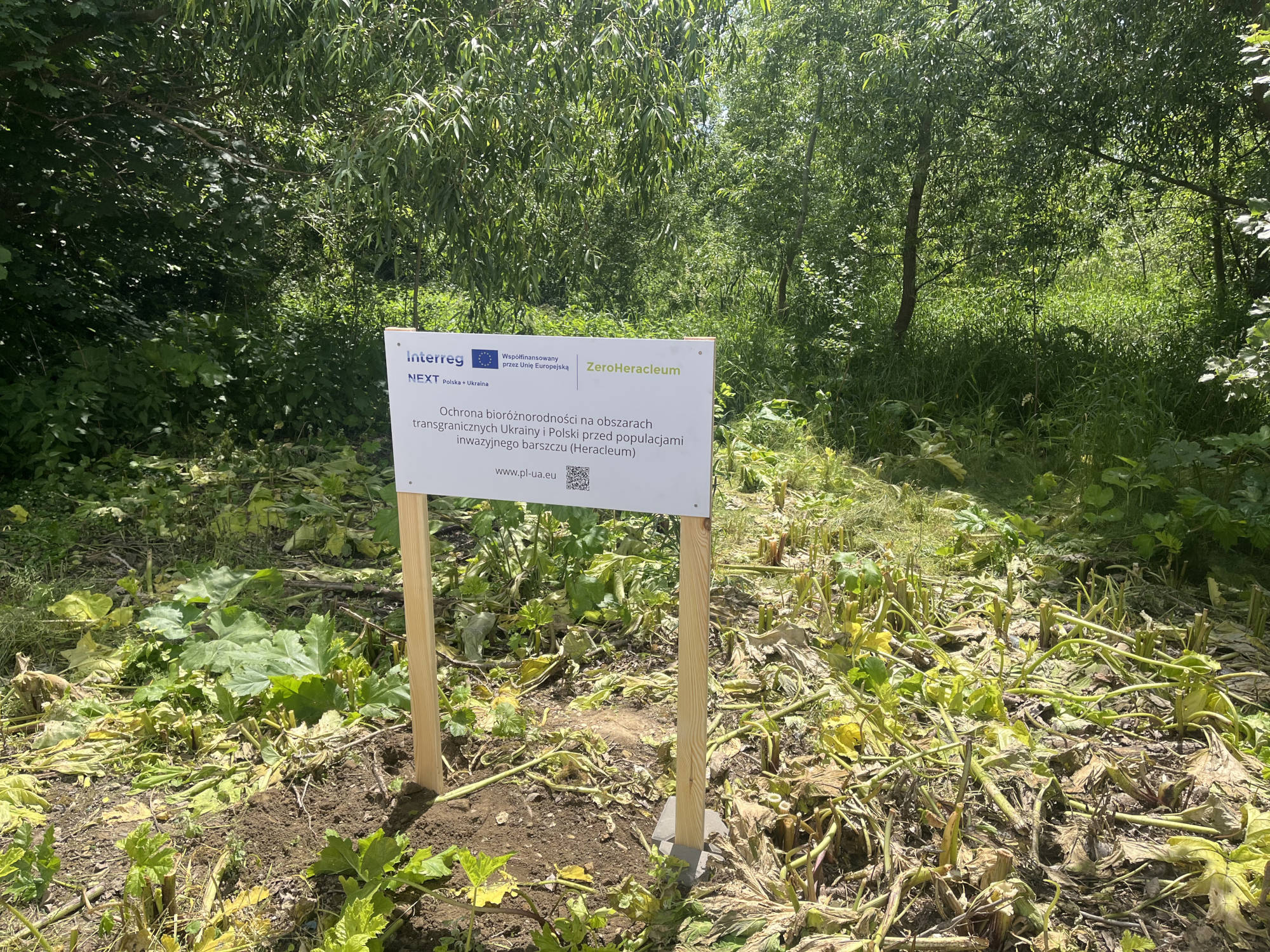
The second method uses liquid nitrogen. After mechanically removing the above-ground parts, young plants will be exposed to very low temperatures using a special applicator, whereas mature plants will have liquid nitrogen applied directly to the stems or roots. Treatments will be performed twice during the growing season, and plant debris will be destroyed with a special tiller.
The effectiveness of both methods will be assessed from August to October and in the following growing season. The results will indicate which solution best limits the growth of Sosnowsky’s hogweed and can be used in practice.

13 Akademicka Street, 20-950 Lublin
VATIN 712 010 37 75
REGON no. 000001896
ePUAP: /UP-Lublin/SkrytkaESP